
$1.99
DESCRIPTION
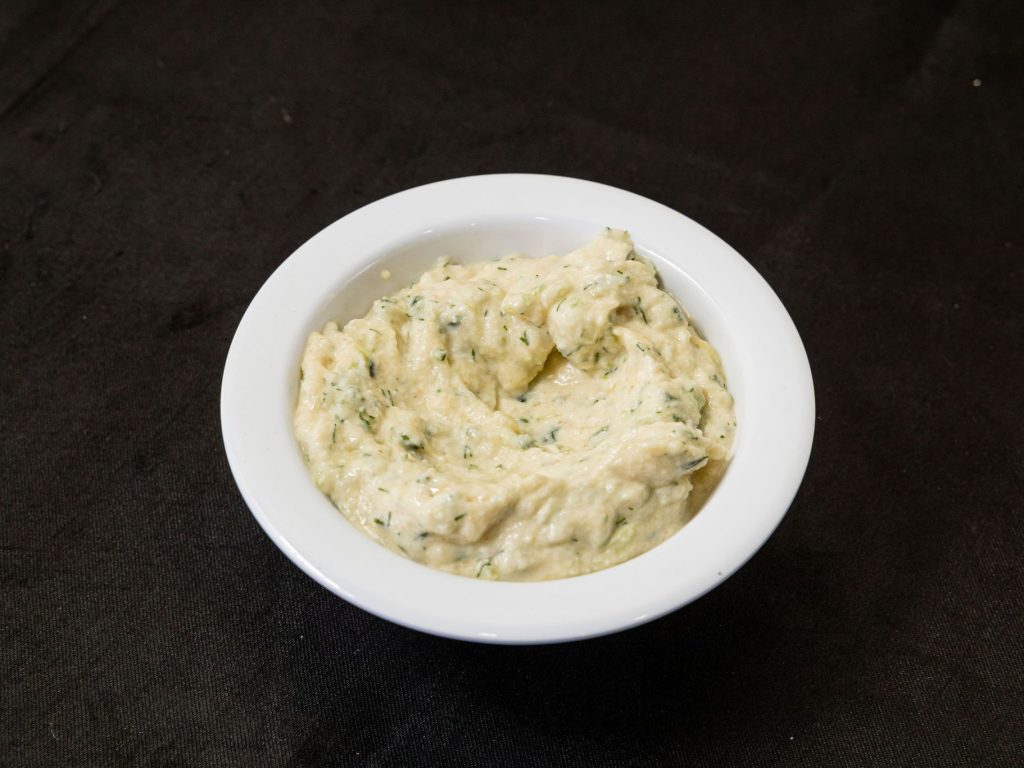
Tzatziki made from scratch

Product & Dietary Information
Description


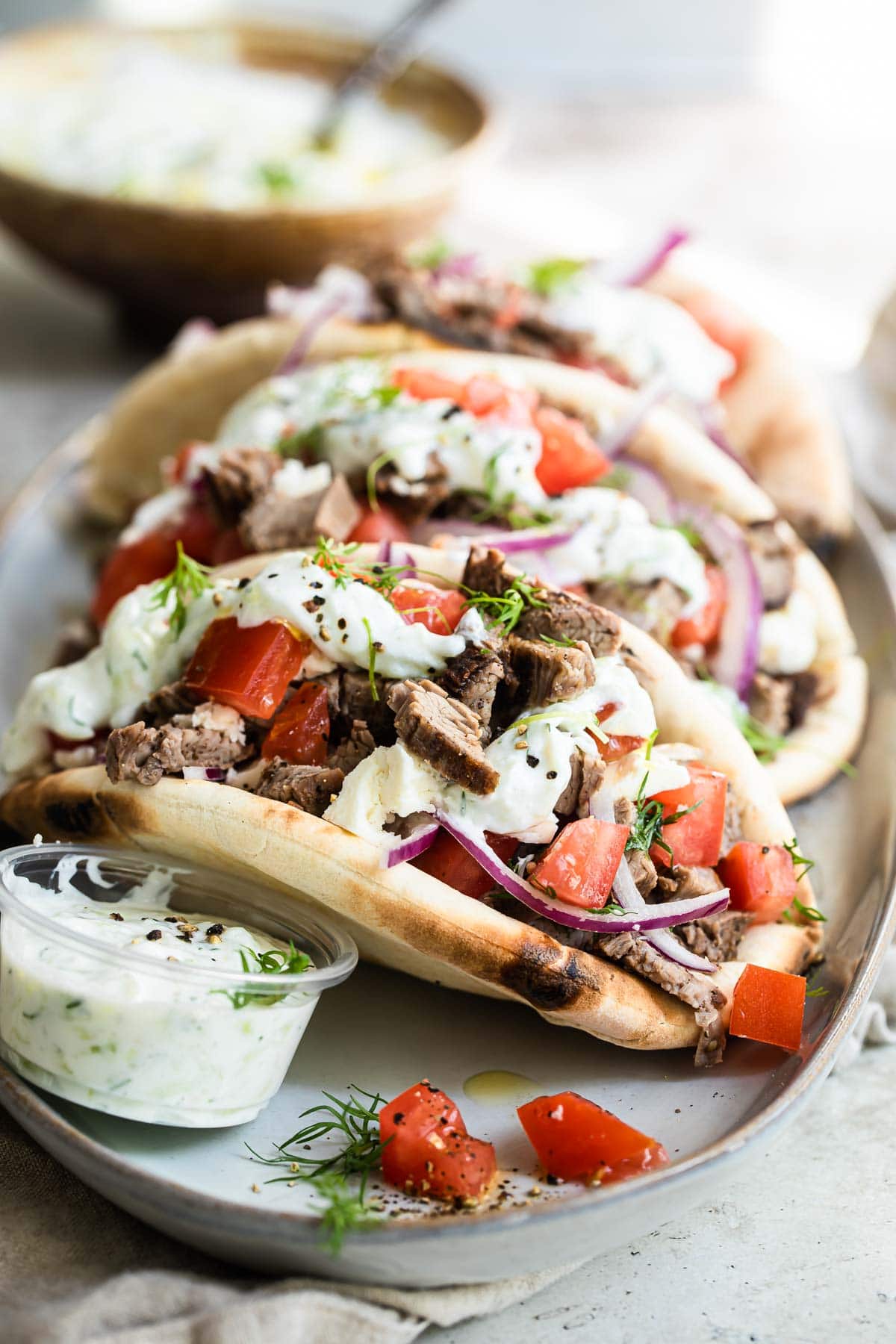
Tzatziki Built for Coolness, Balance, and Control
Tzatziki is the sauce that gives gyro meat its contrast. Without it, gyro is rich, warm, and savory—but incomplete. With tzatziki, everything sharpens into focus. This sauce is cool, tangy, and deliberately restrained, designed to cut through seasoned meat rather than compete with it. It isn’t meant to dominate a dish or drown it. It exists to balance.
At its core, tzatziki is about freshness. Thick yogurt provides structure and creaminess without heaviness. Cucumber adds moisture and crunch. Garlic paste brings bite and aroma. Lemon introduces brightness. Together, they create a sauce that feels refreshing even when paired with bold, heavily seasoned gyro meat.
The Role of Garlic Paste in Tzatziki
Garlic paste is essential, but it must be controlled. Too much garlic paste turns tzatziki harsh and aggressive. Too little, and the sauce loses definition. When balanced correctly, garlic paste adds depth without overpowering the yogurt or cucumber. It sharpens the sauce just enough to stand up to gyro meat while staying smooth and cooling.
Unlike standalone garlic paste used in shawarma wraps, the garlic here is softened and diluted by yogurt. That difference matters. The garlic should be noticeable but rounded, never raw or bitter. As tzatziki warms slightly against hot gyro meat, the garlic becomes even more integrated, creating a seamless transition between sauce and protein.
Why Tzatziki and Gyro Meat Belong Together
Gyro meat is rich by design. Fat, salt, and seasoning stack quickly, especially when wrapped in pita. Tzatziki resets the palate. Its acidity cuts through richness, while its cool temperature contrasts the heat of the meat. That interplay is what makes a gyro pita feel complete rather than heavy halfway through.
Used correctly, tzatziki doesn’t soak the bread or blur textures. It coats lightly, allowing the meat to stay front and center while preventing dryness. That balance is why tzatziki is the default pairing for gyro meat across the menu at https://shawarmahousesd.com/.
Texture Matters More Than People Think
Good tzatziki should be thick enough to cling, not run. Watery tzatziki ruins structure, especially in wraps. Properly made, it spreads evenly across pita or plates without pooling at the bottom. Cucumber should be finely prepared so it adds freshness without releasing excess liquid.
That texture is especially important for pickup orders. A well-balanced tzatziki holds up during travel, which is why it performs consistently in orders placed through https://shawarmahouse-2eoa16r0.toast.site/order?pickup=true&redirected=true.
How It Changes the Way Food Eats
Tzatziki alters the rhythm of eating. The first bite feels cool and refreshing. The middle bites stay balanced instead of repetitive. The finish is clean, with no lingering heaviness. That progression is why gyro plates and wraps with tzatziki feel satisfying without being exhausting.
It also pairs naturally with vegetables, fries, and grilled items, making it one of the most versatile sauces on the menu. It complements rather than masks, which is why people often ask for it specifically.
Not All Tzatziki Is the Same
Poor tzatziki tastes flat, overly sour, or watery. Proper tzatziki is balanced, creamy, and fresh. You should taste yogurt first, cucumber next, garlic paste clearly but softly, and lemon at the finish. When done right, nothing jumps out aggressively—and that’s exactly the point.
Guests often mention tzatziki specifically in reviews on https://www.yelp.com/biz/shawarma-house-san-diego-5 because they notice the difference immediately. It feels intentional, not improvised.
Why People Ask for Extra
When tzatziki is done right, people don’t just accept it—they ask for more. Not because it’s heavy or indulgent, but because it makes everything else taste better. It cools, sharpens, and resets all at once.
The Bottom Line
Tzatziki works because it understands restraint. Yogurt provides structure. Cucumber adds freshness. Garlic paste brings depth. Lemon sharpens the finish. Together, they create a sauce that’s essential to gyro meat and indispensable across the menu.
It doesn’t try to steal attention. It exists to balance, refresh, and elevate—exactly why tzatziki remains a cornerstone for anyone discovering the menu through https://www.google.com/search?q=shawarma+house+ and for those who keep coming back for another gyro done right.
Another reason this sauce holds such a central role is how it behaves once it hits hot food. When spooned onto freshly cooked gyro meat, it doesn’t immediately melt away or turn watery. Instead, it softens gradually, allowing the yogurt base to warm just enough to integrate while still keeping its cooling effect. That temperature contrast is critical. It keeps rich meat from feeling overwhelming and allows each bite to stay balanced rather than fatiguing.
The interaction with garlic paste becomes more noticeable as the sauce warms. Sharp edges mellow, turning the garlic into something aromatic and rounded rather than aggressive. This is where restraint shows its value. Because the garlic paste is measured carefully, it never hijacks the dish. Instead, it threads through the meat, bread, and vegetables, giving cohesion rather than dominance. That subtlety is what separates a well-made sauce from one that simply tastes garlicky.
Texture continues to matter well beyond the first few bites. A properly prepared sauce maintains body without becoming stiff or gluey. It spreads easily across pita, clings lightly to sliced meat, and mixes cleanly with tomato juices and onion without breaking. This stability is especially important for wraps and plates meant to travel. When ordered for pickup through https://shawarmahouse-2eoa16r0.toast.site/order?pickup=true&redirected=true, the sauce arrives the same way it left the kitchen—smooth, balanced, and intact.
It also plays an important role in pacing. Rich dishes can feel exciting at first and exhausting by the end. This sauce prevents that drop-off. It refreshes the palate repeatedly, allowing you to enjoy the full portion without feeling weighed down. That’s why gyro plates finished with it feel complete rather than excessive, even when paired with fries or pita.
Another understated strength is versatility. While it’s most closely associated with gyro meat, it performs just as well alongside grilled chicken, vegetables, and even fries. On fries, it cuts through salt and starch. On grilled items, it adds contrast without masking char. On wraps, it provides moisture without soaking the bread. That adaptability is why it appears across the menu at https://shawarmahousesd.com/ rather than being confined to a single item.
People often underestimate how difficult this balance is to maintain at scale. Yogurt-based sauces are unforgiving. Too thin and they run. Too thick and they sit heavy. Too much acid and they bite. Too little and they taste flat. Getting that balance right consistently is what makes the difference between a sauce that’s tolerated and one that’s requested.
That consistency is reflected in customer feedback. Guests frequently mention the sauce specifically in reviews on https://www.yelp.com/biz/shawarma-house-san-diego-5 because it stands out without trying to. It doesn’t announce itself as special. It simply makes everything else taste better, which is often more memorable.
There’s also a cultural familiarity to it. For many people, this flavor combination signals comfort and reliability. It’s expected with gyro meat, but when done well, it still feels satisfying rather than predictable. The key is execution. When the balance is right, familiarity becomes a strength, not a weakness.
In the end, this sauce succeeds because it understands its role. It isn’t meant to be flashy or dominant. It exists to cool, sharpen, and connect. Yogurt provides structure, cucumber adds freshness, garlic paste gives depth, and lemon finishes clean. When all of that is handled with discipline, the result is something people don’t just notice once—they keep coming back for it, again and again.